
From Trees to Towels: The Journey of Paper Products in Nassau


Introduction to Paper Production
In Nassau, the journey of transforming trees into everyday paper products is a fascinating process. This journey not only highlights the ingenuity of modern manufacturing but also emphasizes the importance of sustainable practices. From lush forests to the final product in our homes, each step is crucial.
Understanding this process can help consumers make informed choices about the products they use and the impact they have on the environment. Let's explore how trees become towels and other paper products that we rely on daily.
The Raw Material: Trees
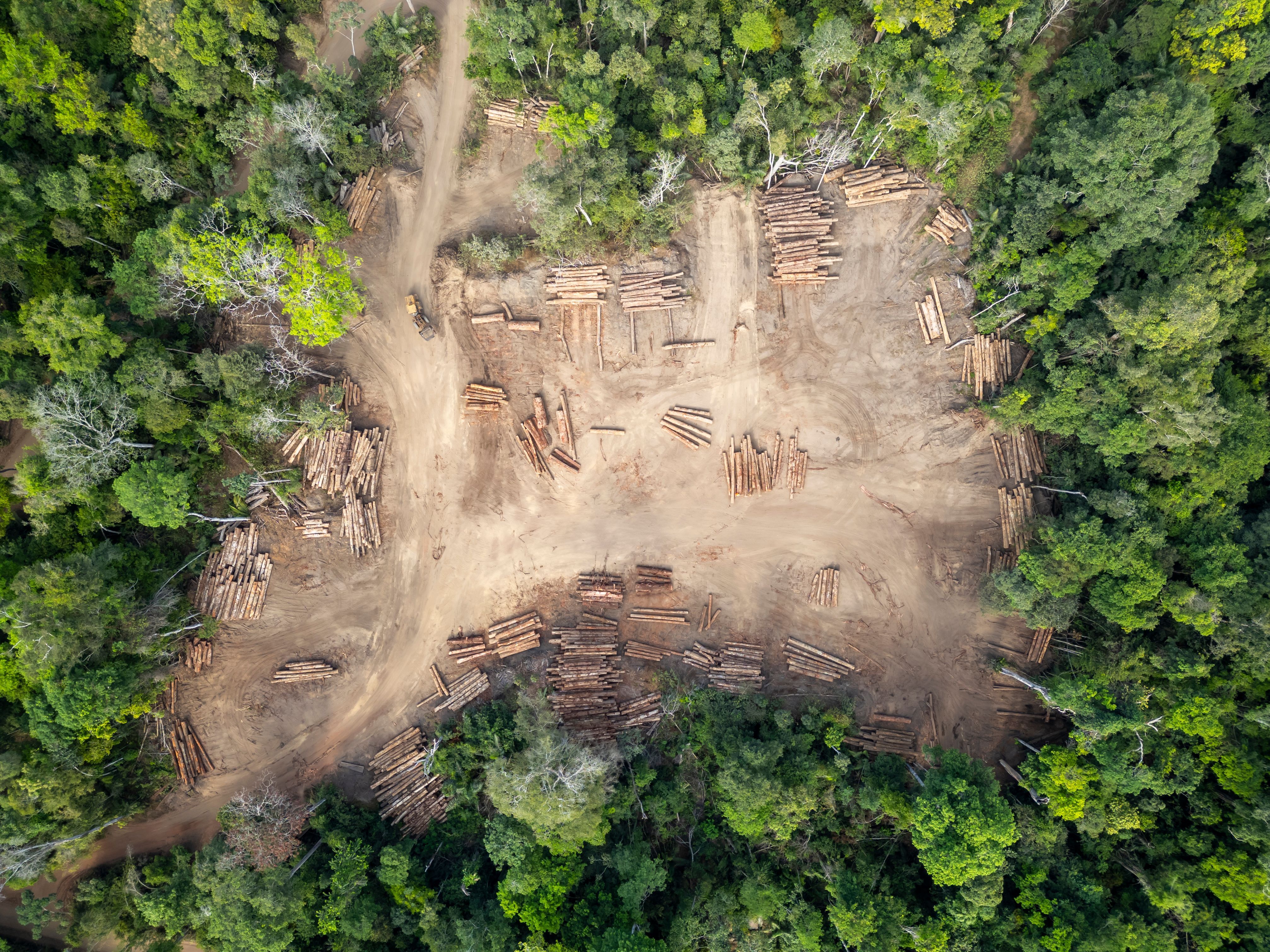
The journey begins in the forests where trees are carefully selected for harvesting. In Nassau, sustainable forestry practices are prioritized, ensuring that for every tree cut down, several more are planted. This commitment to sustainability helps preserve biodiversity and maintain ecological balance.
Once harvested, the logs are transported to processing facilities. Here, they undergo initial preparation, which includes debarking and chipping. These chips are the raw material for all paper products.
Chipping and Pulping
The wood chips are then transformed into pulp, the primary ingredient in paper. This involves either a mechanical or chemical process to break down the wood fibers. Mechanical pulping is energy-intensive but retains more natural fibers, while chemical pulping, though less energy-consuming, involves the use of chemicals to dissolve lignin, a component that binds the fibers together.
From Pulp to Paper
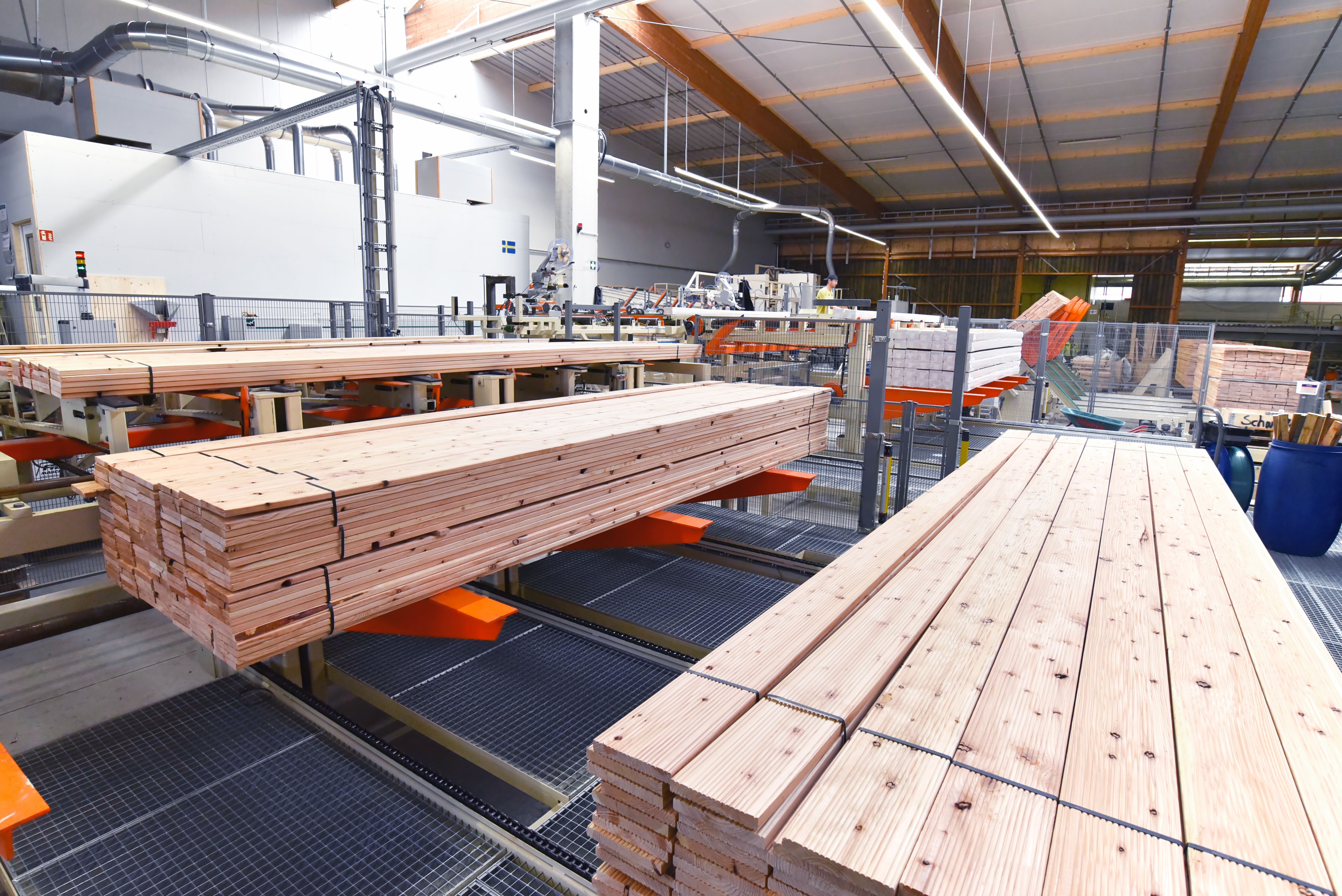
Once the pulp is prepared, it undergoes a refining process to improve fiber quality. The refined pulp is then spread onto large screens to form sheets. These sheets are pressed and dried to remove excess water, resulting in a continuous roll of paper.
The paper can then be further processed to become different products. This includes cutting, folding, and packaging based on the intended use, such as paper towels, napkins, or writing paper.

Innovations in Paper Manufacturing
In the heart of Nassau, advancements in technology have led to more efficient and environmentally friendly manufacturing processes. Innovations such as recycling used paper back into pulp help reduce the demand for raw materials and minimize waste.
Furthermore, the introduction of eco-friendly chemicals and energy-efficient machinery contributes to a lower carbon footprint, aligning with global sustainability goals.
The Final Product: Paper Towels and More
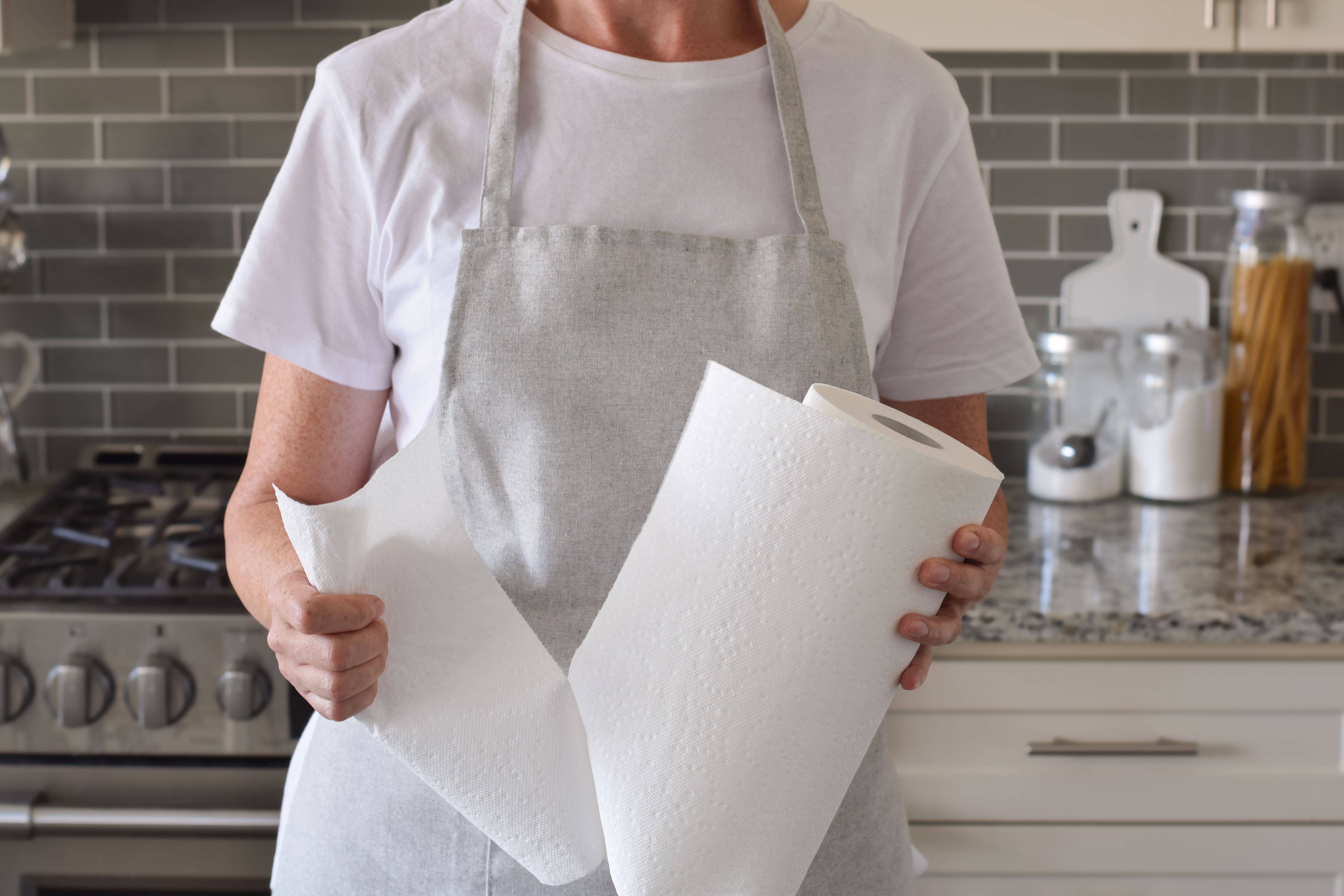
Once processed, these paper products make their way to local stores and homes. Paper towels, in particular, have become an essential household item, known for their convenience and versatility.
Beyond towels, the range of paper products includes everything from toilet paper to stationery. Each plays a unique role in daily life, showcasing the versatility of paper as a material.
Consumer Responsibility and Sustainability
As consumers, understanding the journey of paper products can inspire more responsible purchasing decisions. Opting for products made from recycled materials or those certified by environmental organizations can significantly reduce environmental impact.
By supporting companies that prioritize sustainability, consumers can drive demand for eco-friendly practices in the paper industry, ensuring a greener future for Nassau and beyond.