
How to Choose the Best Eco-Friendly Tissue Products for Your Home


Understanding the Importance of Eco-Friendly Tissues
In recent years, the demand for eco-friendly products has increased significantly, and tissue products are no exception. Choosing environmentally responsible tissues can help reduce your carbon footprint and contribute to a healthier planet. Eco-friendly tissues are made from sustainable materials and often involve environmentally conscious manufacturing processes.
By opting for these products, you not only support sustainable practices but also enjoy the benefits of using high-quality, gentle tissues. Let's explore how to choose the best eco-friendly tissue products for your home.

Look for Recycled Materials
Why Recycled Content Matters
One of the key factors to consider when choosing eco-friendly tissues is the use of recycled materials. Recycled tissues are made from post-consumer waste, which helps reduce the demand for virgin paper pulp and minimizes deforestation.
When shopping for tissues, check for products labeled with a high percentage of recycled content. The higher the percentage, the better for the environment. These tissues are often as soft and durable as those made from new materials, offering a sustainable alternative without compromising quality.
Check for Certifications
Understanding Eco-Friendly Labels
Certifications can guide you in selecting truly eco-friendly tissue products. Look for labels from organizations like the Forest Stewardship Council (FSC) or the Rainforest Alliance. These labels ensure that the products meet stringent environmental and social standards.
Products carrying these certifications are often made from responsibly sourced materials, ensuring that your purchase supports sustainable forest management and biodiversity conservation.

Consider the Manufacturing Process
Reducing Environmental Impact
The manufacturing process of tissue products also plays a critical role in their eco-friendliness. Look for brands that prioritize energy-efficient production methods and use non-toxic chemicals. This not only reduces pollution but also ensures a safer product for your home.
Many eco-friendly brands are transparent about their processes, providing information on their packaging or websites. This transparency can give you confidence in the environmental responsibility of your purchase.
Evaluate Packaging
Minimizing Waste
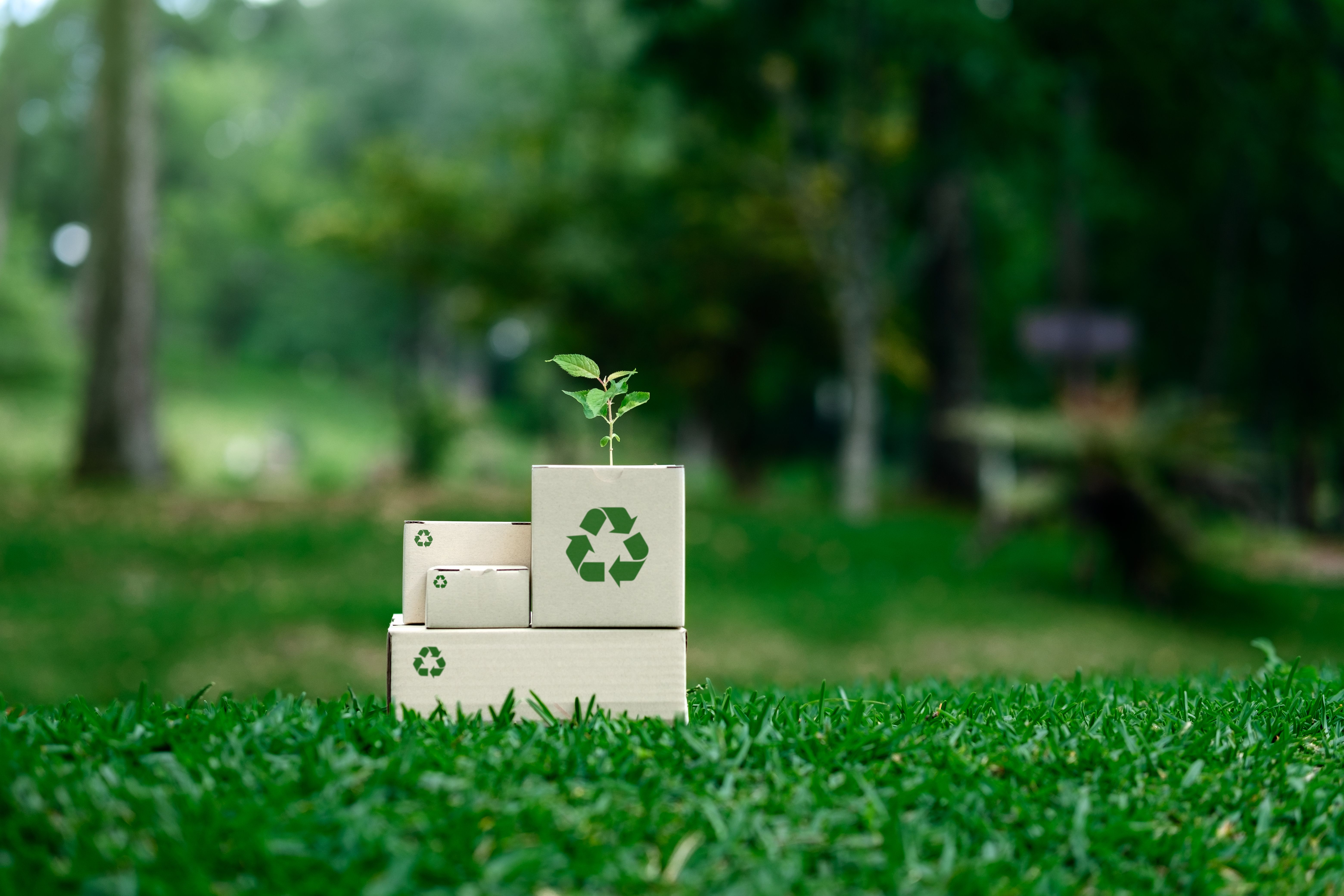
The packaging of tissue products can contribute significantly to environmental waste. Opt for products with minimal, recyclable, or compostable packaging. Some brands offer bulk purchasing options, which reduce packaging waste and are often more cost-effective.
Choose Local Brands
Supporting Local and Reducing Emissions
Buying from local brands not only supports your community but also reduces transportation emissions. Local products often have a smaller carbon footprint due to reduced shipping distances. This choice can make a significant impact on your overall environmental impact.
Research local companies that offer eco-friendly tissues to find options that align with your values. Supporting these brands can encourage more sustainable practices within your community.
Conclusion
Choosing the best eco-friendly tissue products for your home involves considering various factors such as recycled content, certifications, manufacturing processes, packaging, and local sourcing. By making informed choices, you contribute to a more sustainable future while enjoying quality products that meet your household needs.
Start by evaluating your current tissue products and explore alternatives that align with these eco-friendly guidelines. Every small change can make a significant difference in protecting our planet.